Jute and Sisal Rugs: Honest Limits in Damp Rooms
Jute and sisal are strong, cheap, and honest about their limits. Where the two natural fibres differ, and the rooms where neither belongs.
The Calm Finds editorial desk · Published Sep 30, 2026 · Updated Oct 2, 2026 · 7 min
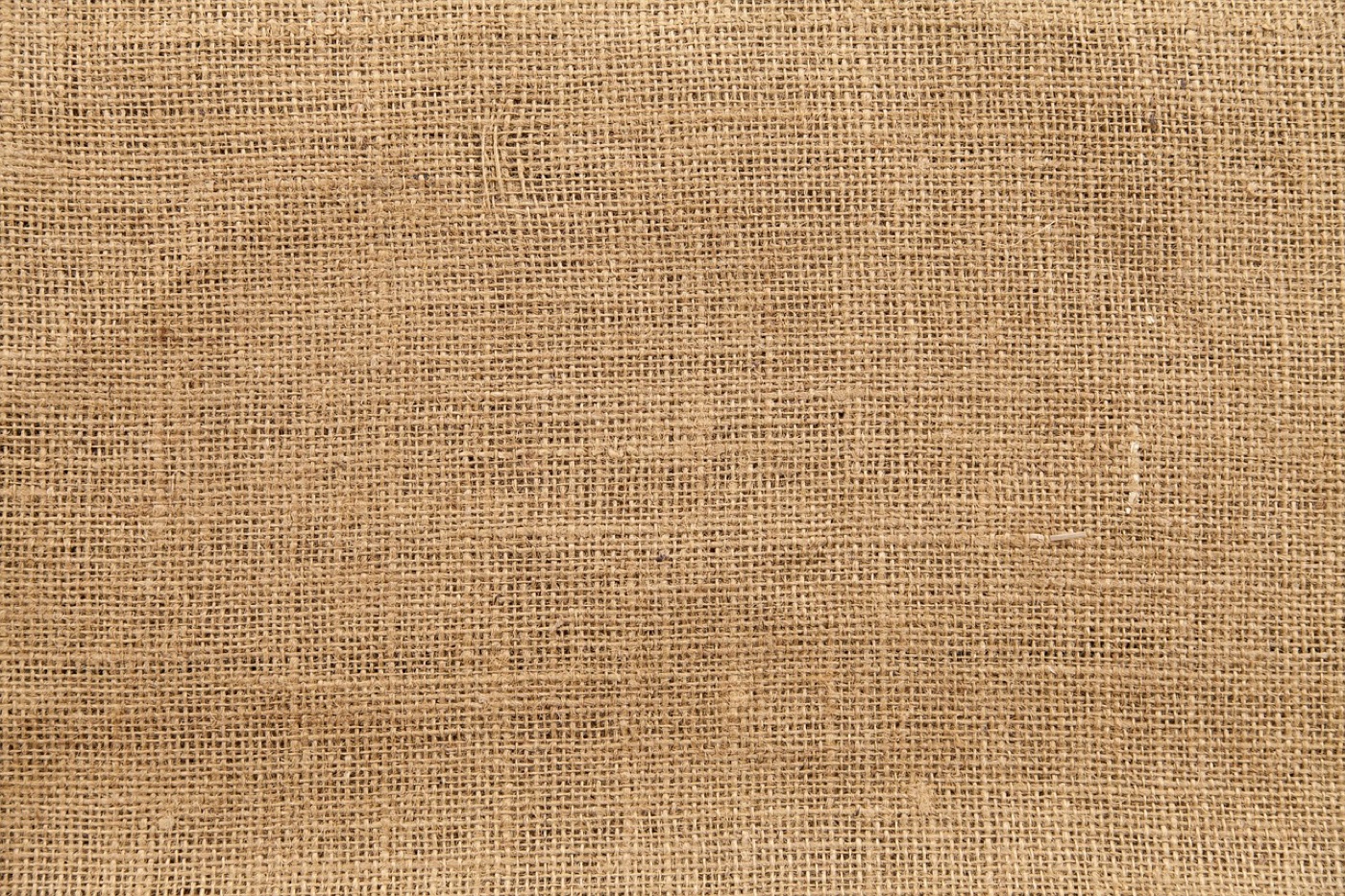
Natural fibre rugs split opinion more than any other category on the soft layer, and the split is usually not about taste. It is about whether the room has water in it. The honest version of this article is that jute and sisal are excellent rugs in three specific conditions and wrong rugs in a fourth, and the fourth is the one sellers write around.
Both are plant fibres woven rather than tufted, and they come from different parts of different plants — which is the first thing to get straight, because the two are routinely described in ways that swap their sources. Jute is a long, rough, shiny bast fibre taken from the stem of the Corchorus genus; it is the softer of the two, with a smoother hand and a golden tone. Sisal is a leaf fibre, extracted from Agave sisalana, and produces a coarser, stiffer yarn, which is why it reads as wheat or tan rather than gold. The vocabulary list separates both from wool and cotton.
The moisture line, stated plainly
The single fact that should decide this purchase: sisal absorbs or releases air humidity depending on the climate, causing expansion and contraction, and it is not recommended for areas that receive wet spills, rain, or snow. That is not a caveat in a care guide. It is the boundary of the material.
Sisal is nonetheless more water-resistant than jute, and the difference is a real gradient rather than a marketing one — jute is the softer and more absorbent of the two, takes on water more readily, and is the one more likely to stain and show mildew in a persistently damp room. Sisal’s coarser leaf fibre gives it a tighter, harder surface that shrugs off incidental damp better and dries faster when it does get wet. “Better with water” is the honest ceiling. Neither is waterproof, and both belong in a dry room.
This is also why “indoor-outdoor” on a product page is a category error for these two fibres. A synthetic olefin rug can absorb a spilled drink, be wiped, and be left on a covered porch. A jute rug in the same spot has taken on water that dries unevenly into a fibre shadow.
Shedding, cleaning, and the cleanable boundary
Natural fibre sheds more than synthetic, and the reason is structural rather than a defect: the yarns are coarse and stiff, the weave is open, and a cut fibre end underfoot works loose where a fine looped synthetic yarn would stay put. The routine that follows is the one the fibre documentation describes for sisal: vacuuming is the only maintenance required, suction only, no beater bar, working with the direction of the weave. For spots, a dry-cleaning powder; for high-spill areas, a fibre sealer.
The cleanable boundary is where most people get it wrong. No steam. No hot water. No wet shampoo. The humidity response described above means wetting the pile invites uneven shrinkage, and a fibre that has shrunk unevenly no longer lies flat. Blot a spill immediately rather than treating it later.
The four rooms this comes down to
- A dry, low-traffic room is where jute is at its best. A bedroom, a study, a quiet sitting room with no damp and no heavy crossing. The softness and the sheen are the reason to choose it, and nothing about that room will punish either.
- A hallway or covered porch is where sisal earns its place. Harder, stiffer, more rigid underfoot, and documented to hold up better to wear in traffic while resisting water better than jute. Not an open porch in a wet climate — a covered one, or a dry hallway.
- A damp basement, bathroom, or rain-exposed entryway is where neither belongs. This is not a close call. Sisal’s own documentation excludes wet-spill areas, and jute is worse. The right object in those rooms is a synthetic chosen on declared pile height instead.
- A rental, or a room you will move out of, is where the low price is the honest advantage. A natural fibre rug cheap enough to replace every few years is a rational purchase in a short-tenancy room, provided the room is dry.
One practical note before ordering: check the backing. A jute or sisal face on a synthetic backing changes the breathability entirely, and an underlay that holds moisture against the fibre makes a humid room worse. The measurements worth taking first covers the floor and room conditions that decide which of the four rooms you are in.
The picks
Some links below are affiliate links — we may earn a commission at no extra cost to you. As an Amazon Associate, we earn from qualifying purchases.
Jute and sisal are good rugs in three conditions and wrong rugs in a fourth, and the fourth is the one worth stating first: neither belongs in a damp basement, a bathroom, or a rain-exposed entryway. Sisal's own documentation records that it absorbs or releases air humidity depending on climate, causing expansion and contraction, and that it is not recommended for areas receiving wet spills, rain or snow. Within dry rooms, sisal is the harder and more water-resistant of the two and belongs in a hallway or covered porch; jute is the softer, shinier, more absorbent of the two and belongs in a bedroom or study. The cleanable boundary is dry only — suction vacuuming, dry powder for spots, no steam and no wet shampoo.
- The exclusion
- Wet spills, rain, snow
- Jute is
- Softer, shinier, more absorbent
- Sisal is
- Harder, stiffer, more water-resistant
- Jute belongs in
- Dry, low-traffic rooms
- Sisal belongs in
- Hallway, covered porch
- Cleaning boundary
- Suction vacuum, dry powder
A dry, low-traffic room is where jute is at its best
Placement: bedroom or study — jute
A bedroom, study, or quiet sitting room with no damp and no heavy crossing is where jute's softness and slight sheen are the reason to choose it. The fibre is a bast fibre from the Corchorus stem, softer and more absorbent than sisal, and it will take a spill deeper than a synthetic would and take longer to dry. Limitation — that same absorbency is why it is the wrong pick one room over, and why the backing should be natural jute or cotton rather than a synthetic layer that traps moisture against the weave.
- Placement
- Dry, low-traffic interior room
- Fibre
- Jute, Corchorus bast fibre
- Hand
- Soft, smooth, slight sheen
- Backing to accept
- Natural jute or cotton
- Limitation
- Most absorbent of the two fibres
A hallway or covered porch is where sisal earns its place
Placement: hallway or covered porch — sisal
Sisal is a leaf fibre from Agave sisalana, coarser and stiffer than jute, and it is documented as holding up better to wear in traffic while building neither static nor dust — so suction vacuuming is the only maintenance required, and a dry-cleaning powder handles spots. It is also the more water-resistant of the two, which is a gradient and not a qualification: a covered porch or a dry hallway, yes; an open porch in a wet climate, no. Expect slight matting in the busiest part of the path.
- Placement
- Hallway, covered porch, mudroom
- Fibre
- Sisal, Agave sisalana leaf fibre
- Hand
- Coarse, rigid, structured
- Maintenance
- Suction vacuum only
- Watch for
- Slight matting in high-traffic areas
A damp basement, bathroom, or rain-exposed entryway is where neither belongs
The exclusion — choose a synthetic instead
This is the honest limit rather than a soft warning. Sisal's documentation states it is not recommended for areas receiving wet spills, rain or snow, because it absorbs or releases air humidity and expands or contracts with it; jute absorbs more readily still and is the one that shows mildew. In those rooms, specify a synthetic on declared pile height and construction instead — and note that an 'indoor-outdoor' label on a natural fibre page is a category error, not a specification. No steam, no hot water, no wet shampoo on either fibre.
- Placement
- Excluded: damp basement, bathroom, wet entry
- Documented behaviour
- Absorbs or releases humidity, expands or contracts
- Published guidance
- Not recommended for wet spills, rain, snow
- Choose instead
- A synthetic, specified on pile height
- Never
- Steam clean or wet shampoo either fibre
| Specification | Jute | Sisal | Neither, in a damp room |
|---|---|---|---|
| Plant and part | Corchorus, bast fibre from the stem | Agave sisalana, leaf fibre | — |
| Hand underfoot | Soft, smooth, slight sheen | Coarse, rigid, structured | — |
| Natural colour | Golden | Wheat or tan | — |
| Water resistance | Lower — absorbs readily | Higher, but not waterproof | Fails at the fibre level |
| Traffic performance | Low to medium | Better in high traffic, may mat | Pick a synthetic instead |
| Shedding | More, from open weave and cut ends | Very little, builds no static or dust | — |
| Cleaning boundary | Dry only | Dry only, plus sealer on high-spill areas | — |
| Room it fits | Bedroom, study, quiet sitting room | Hallway, covered porch, mudroom | Basement, bathroom, wet entry |
Where these numbers come from
- Sisal — Carpets section: matting in high traffic, vacuum-only maintenance, fibre sealer and dry-cleaning powder for spots, humidity expansion and contraction, not recommended for wet spills or rain or snow
- Jute — fibre description, uses in carpets and rugs, and home textile properties including colour and light fastness
- Carpet — natural and synthetic fibre sections, backing materials, and construction types for comparison
Frequently asked
- Are jute and sisal rugs waterproof?
- No, and this is where most product copy misleads. Sisal is documented as absorbing or releasing air humidity depending on climate, which causes expansion and contraction, and the same reference states plainly that it is not recommended for areas receiving wet spills, rain, or snow. Sisal is more water-resistant than jute, not waterproof. Neither belongs in a bathroom, a damp basement, or an entryway that sees tracked-in rain.
- Why does my natural fibre rug shed so much?
- Because the fibres are cut and the weave is open, so loose ends work free underfoot — the same mechanical reason wool cut pile sheds, amplified by a coarser, stiffer yarn. Sisal carpeting is documented to shed very little and to build neither static nor dust, but slight matting can appear in high-traffic areas. Vacuuming without a beater bar, in the direction of the weave, keeps it in check.
- Can I steam clean a jute or sisal rug?
- No. Steam and hot water drive the fibres to swell and then shrink unevenly, which is the same humidity-response behaviour that rules these rugs out of damp rooms in the first place. The documented care path is suction-only vacuuming, and for spots, a dry-cleaning powder or a fibre sealer on high-spill areas. Anything that wets the pile trades away the reason you chose a natural fibre.